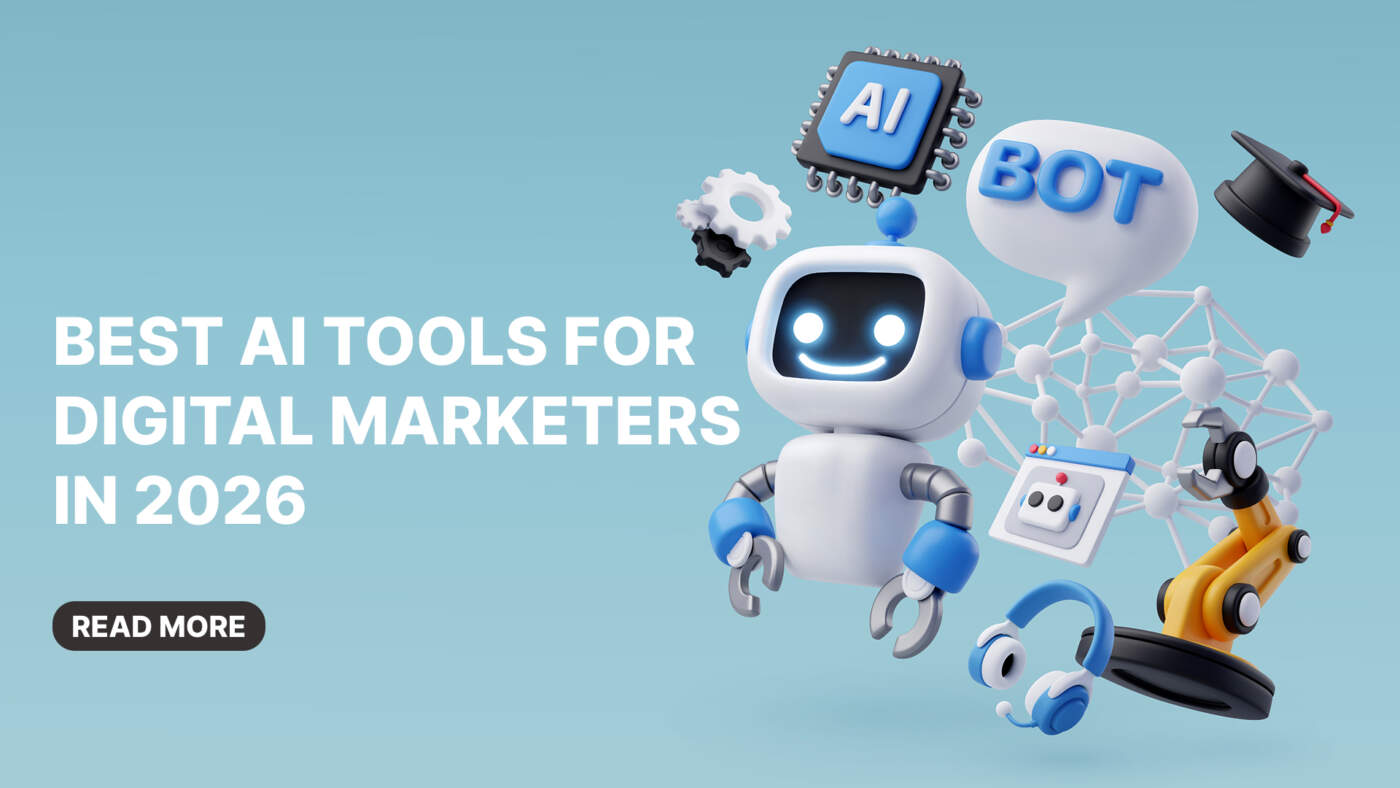

Digital marketing continues to evolve at an incredible pace. Businesses today compete not only through creativity but also through speed, data, and personalization. In this rapidly changing environment, artificial intelligence has become one of the most powerful technologies helping marketers stay ahead of the competition.
AI tools are transforming the way digital marketers plan strategies, create content, analyze campaigns, and engage with audiences. Tasks that once required hours of manual effort can now be completed in minutes with intelligent automation. This shift allows marketers to focus more on strategic thinking, creativity, and customer relationships.
As companies continue to adopt AI-powered technologies, digital marketers who understand how to use these tools effectively will have a clear advantage. In this article, we will explore some of the best AI tools for digital marketers and how they help improve productivity, campaign performance, and overall marketing efficiency.
The Growing Importance of AI in Digital Marketing
Artificial intelligence is no longer a futuristic concept. It has already become an essential part of many digital marketing processes. From analyzing customer data to optimizing content for search engines, AI tools provide valuable insights that help marketers make smarter decisions.
One of the main reasons AI has gained popularity in marketing is its ability to process large volumes of data quickly. Digital marketing campaigns generate massive amounts of information through website traffic, social media engagement, ad performance, and customer interactions. AI tools can analyze this data in real time and provide actionable recommendations.
Another advantage is automation. Marketing teams often spend a significant amount of time on repetitive tasks such as scheduling social media posts, analyzing reports, and optimizing advertisements. AI tools automate many of these activities, saving time and reducing the risk of human error.
Additionally, AI enables deeper personalization. Modern consumers expect brands to understand their preferences and deliver relevant content. AI tools analyze user behavior and engagement patterns to help marketers create targeted campaigns that resonate with specific audiences.
AI Tools for Content Creation
Content marketing remains one of the most important aspects of digital marketing. Businesses rely on blogs, landing pages, videos, emails, and social media posts to communicate with their audiences. However, producing high-quality content consistently can be challenging.
AI-powered content creation tools help marketers generate ideas, draft articles, improve readability, and optimize writing style. These tools use advanced language models to create structured content that marketers can refine and customize according to their brand voice.
One of the biggest benefits of AI content tools is their ability to accelerate the writing process. Instead of starting from scratch, marketers can use AI-generated drafts as a foundation and then enhance them with insights, examples, and personal expertise.
AI tools can also assist with editing and proofreading. They identify grammatical errors, improve sentence structure, and ensure that the content flows smoothly. This makes it easier for marketers to produce professional-quality content without spending excessive time on revisions.
Furthermore, AI content tools can adapt tone and style depending on the platform. A blog post may require an informative tone, while social media content might need to be more engaging and conversational.
AI Tools for Search Engine Optimization
Search engine optimization plays a crucial role in driving organic traffic to websites. However, SEO involves multiple processes including keyword research, competitor analysis, on-page optimization, and technical monitoring.
AI-powered SEO tools simplify these tasks by providing intelligent suggestions and insights. These tools analyze search trends, keyword difficulty, and user intent to help marketers choose the most effective keywords for their content.
AI tools can also evaluate top-ranking pages and identify the elements that contribute to their success. By understanding these patterns, marketers can create content that meets search engine requirements and improves their chances of ranking higher.
Another valuable feature is content optimization. AI tools analyze existing content and recommend improvements such as keyword placement, heading structure, and internal linking strategies. These suggestions help ensure that content aligns with search engine algorithms and user expectations.
In addition, AI tools continuously monitor website performance and detect technical issues that may affect rankings. This proactive approach allows marketers to fix problems quickly and maintain strong SEO performance.
AI Tools for Social Media Management
Social media marketing is a powerful way for brands to connect with their audiences and build relationships. However, managing multiple social media platforms can become overwhelming without the right tools.
AI-powered social media management tools help marketers schedule posts, analyze engagement metrics, and discover trending topics. These tools provide insights into what type of content resonates with audiences and when it should be published.
By analyzing engagement patterns, AI tools can determine the best times to post content for maximum visibility. This helps marketers improve reach and interaction without constantly monitoring their accounts.
AI tools can also assist with content generation by suggesting captions, hashtags, and creative ideas for posts. Marketers can then customize these suggestions to match their brand voice and campaign objectives.
Another important feature is sentiment analysis. AI tools analyze comments, mentions, and conversations to understand how audiences perceive a brand. This helps businesses respond effectively to feedback and maintain a positive brand image.
AI Tools for Marketing Analytics and Insights
Data analysis is a fundamental part of digital marketing success. Marketers rely on analytics to evaluate campaign performance, understand customer behavior, and identify growth opportunities.
AI-powered analytics tools simplify this process by automatically analyzing complex datasets and presenting insights in an easy-to-understand format. Instead of manually reviewing reports, marketers can quickly identify patterns and trends that influence campaign performance.
Predictive analytics is another valuable capability of AI tools. By studying historical data, AI systems can forecast future outcomes such as conversion rates, customer lifetime value, and campaign success. This helps marketers make more informed decisions when planning strategies.
AI analytics tools also integrate with multiple marketing platforms, providing a unified view of campaign performance across channels. This holistic perspective helps marketers understand how different marketing activities contribute to overall business growth.
AI Tools for Email Marketing Automation
Email marketing remains one of the most effective channels for building relationships with customers and driving conversions. However, creating personalized email campaigns for large audiences can be complex.
AI-powered email marketing tools simplify this process through automation and intelligent segmentation. These tools analyze subscriber behavior and categorize users based on their interests, engagement levels, and purchase history.
With this information, marketers can create targeted email campaigns that deliver highly relevant content to specific audience segments. Personalized messaging increases open rates, click-through rates, and overall campaign effectiveness.
AI tools can also optimize subject lines and email copy by analyzing what type of messaging generates the highest engagement. This helps marketers continuously improve their email performance.
Additionally, automation features allow marketers to create email workflows that respond to user actions. For example, welcome emails, product recommendations, and follow-up messages can be triggered automatically based on customer behavior.
Key Advantages of AI for Digital Marketers
The adoption of AI tools provides numerous benefits for digital marketing teams. These tools not only improve efficiency but also help marketers make more strategic decisions.
Some of the key advantages include:
- Higher efficiency and automation: AI tools handle repetitive tasks such as data analysis, scheduling posts, and optimizing campaigns, allowing marketers to focus on creative and strategic work.
- More accurate marketing insights: AI analyzes large amounts of data to identify trends and patterns that help marketers make better decisions and improve campaign performance.
By leveraging these capabilities, businesses can streamline their marketing operations and achieve better results with fewer resources.
Potential Limitations of AI Tools
Although AI tools offer many benefits, they also come with certain limitations that marketers should consider. AI-generated content may sometimes lack originality or emotional depth. Human creativity and storytelling remain essential elements in marketing communication.
Another challenge is selecting the right tools from the vast number available. Not every AI tool will fit every business model. Marketers should evaluate their goals and choose tools that align with their specific marketing strategies.
Data privacy and security are also important considerations. Businesses must ensure that the tools they use comply with privacy regulations and protect customer information responsibly.
Despite these challenges, AI continues to evolve rapidly and will play an even greater role in digital marketing in the future.

The Future of AI in Digital Marketing
The future of digital marketing will be heavily influenced by advancements in artificial intelligence. As technology improves, AI tools will become even more capable of delivering real-time insights, advanced automation, and highly personalized marketing experiences.
Voice search optimization, AI-powered chatbots, predictive marketing, and automated customer journeys are expected to become more sophisticated in the coming years. These innovations will allow businesses to interact with customers more effectively and create seamless digital experiences.
Digital marketers who embrace AI technology today will be better prepared for these future developments. By combining human creativity with AI-driven insights, businesses can build stronger marketing strategies and achieve sustainable growth.
Conclusion
Artificial intelligence is reshaping the digital marketing landscape. From content creation and SEO optimization to analytics and email automation, AI tools help marketers streamline workflows and improve campaign performance. Businesses that adopt these technologies can gain a significant competitive advantage in an increasingly data-driven market.
However, successful marketing still requires human creativity, strategic thinking, and authentic communication. AI should be viewed as a powerful assistant that enhances marketing capabilities rather than replacing the human element.
Organizations like adsyzygy understand the importance of combining advanced AI technologies with innovative marketing strategies. By leveraging the right tools and maintaining a customer-focused approach, businesses can unlock new opportunities for growth and success in the evolving digital world.
Leave a Comment