

How Website Design and Digital Marketing Can Transform Your Business in 2026
In 2026, the way businesses connect with their audience has evolved far beyond simple online presence. A website is no longer just a digital brochure, and marketing is no longer about pushing ads. Instead, businesses that succeed are those that combine smart website design with strategic digital marketing to create seamless, engaging, and personalized experiences for their customers.
The digital landscape is more competitive than ever, but it also offers unprecedented opportunities. Whether you’re a startup, a growing brand, or an established company, the right combination of design and marketing can completely transform how your business performs online—and ultimately, how it grows offline too.
The New Role of Website Design in 2026
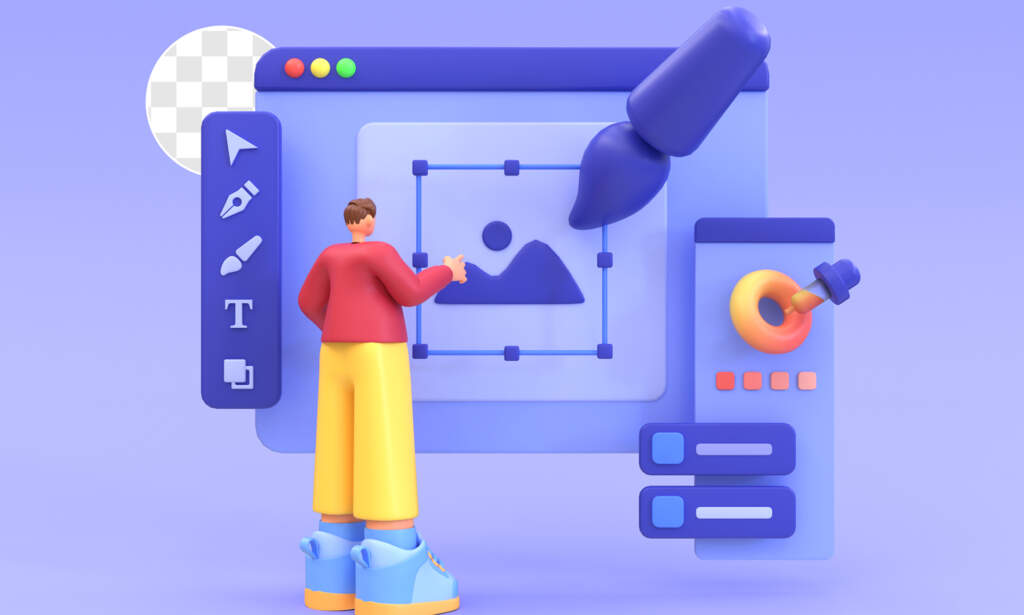
Website design has shifted from aesthetics to experience. While a clean and attractive interface still matters, what truly defines a successful website today is how it makes users feel and how easily they can interact with it.
Modern users expect speed, simplicity, and personalization. If your website takes too long to load, is difficult to navigate, or doesn’t adapt to their needs, they’ll leave within seconds. In contrast, a well-designed website keeps visitors engaged, builds trust, and encourages them to take action—whether that’s making a purchase, signing up, or reaching out.
In 2026, design is deeply tied to user behavior. Businesses are leveraging data-driven insights to understand what users want and how they interact with content. This allows for dynamic layouts, tailored recommendations, and intuitive navigation that feels almost effortless to the visitor.
Another major shift is mobile-first and even mobile-only thinking. With the majority of users browsing on smartphones, websites must be optimized not just to work on mobile, but to feel natural and fluid on smaller screens.
Why Digital Marketing Matters More Than Ever
While a great website is essential, it won’t deliver results on its own. This is where digital marketing plays a crucial role. It ensures that the right people find your website at the right time—and that they stay engaged once they arrive.
Digital marketing in 2026 is highly targeted and data-driven. Businesses can now reach audiences with incredible precision, using insights from user behavior, search patterns, and preferences. This means less wasted effort and more meaningful connections with potential customers.
Search engines, social media platforms, and content channels have become smarter. They reward businesses that provide value, consistency, and authenticity. As a result, brands that invest in quality content, user engagement, and ethical SEO practices are seeing better long-term results.
At the same time, automation and AI tools have made it easier to manage campaigns, analyze performance, and optimize strategies in real time. This allows businesses to stay agile and respond quickly to changes in the market.
The Power of Combining Design and Marketing
Individually, website design and digital marketing are powerful. Together, they create a system that drives growth.
Imagine attracting a visitor through a well-targeted campaign, guiding them through a beautifully designed website, and converting them into a loyal customer—all in a single journey. That’s the real transformation businesses are experiencing in 2026.
A well-integrated approach ensures that every touchpoint is aligned. Your ads match your website messaging, your content reflects your brand identity, and your user experience supports your marketing goals. This consistency builds trust and increases conversion rates.
More importantly, it creates a feedback loop. Marketing campaigns bring in data, which informs design improvements, which then enhance marketing performance. Over time, this continuous optimization leads to exponential growth.
Personalization Is the Game-Changer
One of the biggest trends shaping both website design and digital marketing is personalization. Customers today expect experiences tailored to their needs, preferences, and behavior.
Websites can now adapt in real time, showing different content, offers, or recommendations based on who is visiting. Similarly, marketing campaigns can be customized to target specific segments with highly relevant messages.
This level of personalization not only improves user experience but also significantly increases engagement and conversions. When people feel understood, they are more likely to trust your brand and take action.
Building Trust Through User Experience
Trust is a critical factor in online success. In 2026, users are more aware, more cautious, and more selective about the brands they engage with.
A well-designed website plays a key role in building this trust. Clear navigation, transparent information, fast loading speeds, and secure browsing all contribute to a positive experience.
At the same time, digital marketing reinforces this trust through consistent messaging, valuable content, and genuine engagement. Whether it’s through blog posts, social media interactions, or email campaigns, every touchpoint should reflect your brand’s credibility and reliability.
Key Elements That Drive Transformation
To truly transform your business, your approach to website design and digital marketing should focus on a few essential elements:
- User-centric design: Every decision should be based on what your users need and how they behave, ensuring a smooth and enjoyable experience.
- Data-driven marketing: Use analytics and insights to guide your strategies, optimize campaigns, and achieve better results over time.
These elements act as the foundation for sustainable growth. Without them, even the most visually appealing website or the most creative campaign may fall short.
The Role of Content in 2026
Content continues to be a powerful tool for both design and marketing. However, the focus has shifted from quantity to quality.
In 2026, successful content is informative, engaging, and tailored to the audience. It answers real questions, solves problems, and adds value. Whether it’s blog articles, videos, or interactive features, content should be designed to connect with users on a deeper level.
From an SEO perspective, search engines are prioritizing content that demonstrates expertise, relevance, and authenticity. This means businesses need to invest in well-researched, original content that aligns with user intent.
At the same time, content should be seamlessly integrated into your website design. It should be easy to read, visually appealing, and strategically placed to guide users through their journey.
The Importance of Speed and Performance
Speed has become a critical factor in both user experience and search rankings. In a fast-paced digital world, users expect instant access to information. Even a slight delay can lead to higher bounce rates and lost opportunities.
Optimizing your website for speed involves more than just technical adjustments. It requires a holistic approach that includes efficient design, optimized images, and streamlined functionality.
Digital marketing also benefits from improved performance. Faster websites lead to better engagement, higher conversion rates, and more effective campaigns.
Adapting to Changing Technologies
Technology is evolving rapidly, and businesses must adapt to stay competitive. From AI-driven tools to voice search and immersive experiences, new technologies are shaping how users interact with websites and marketing campaigns.
In 2026, businesses that embrace innovation are the ones that stand out. This doesn’t mean chasing every trend, but rather understanding which technologies align with your goals and audience.
For example, AI can be used to personalize user experiences, automate marketing processes, and provide valuable insights. Similarly, interactive elements and immersive design can enhance engagement and make your website more memorable.
Measuring Success and Continuous Improvement
Transformation doesn’t happen overnight. It’s an ongoing process that requires regular evaluation and improvement.
Analytics tools provide valuable data on user behavior, campaign performance, and overall effectiveness. By analyzing this data, businesses can identify what’s working, what’s not, and where there’s room for improvement.
This continuous optimization ensures that your website and marketing strategies remain effective and aligned with your goals. Over time, even small improvements can lead to significant results.
Conclusion
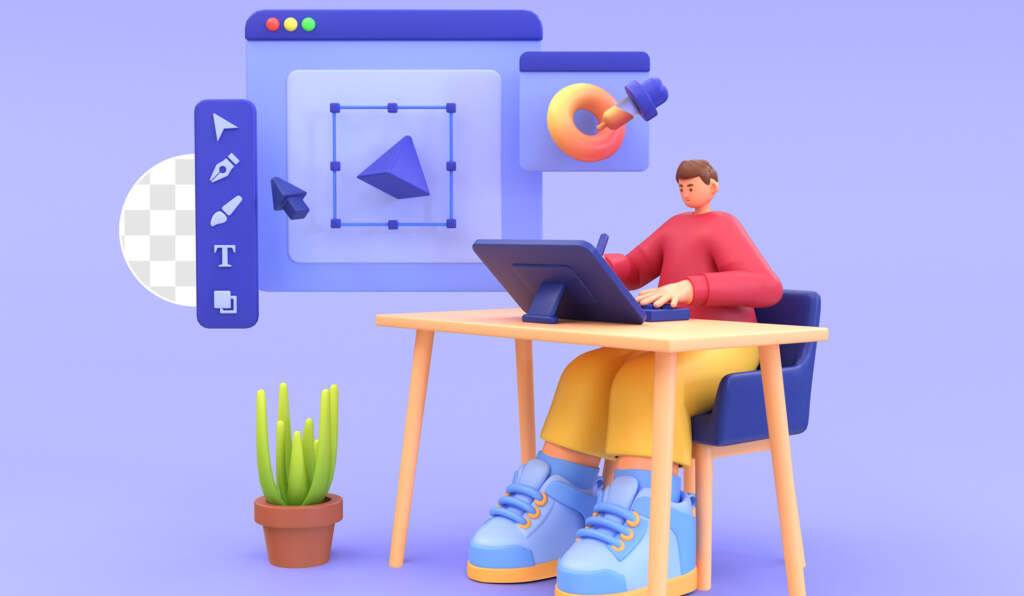
In 2026, website design and digital marketing are no longer separate functions—they are interconnected drivers of business success. Together, they shape how your brand is perceived, how customers interact with you, and how effectively you convert opportunities into growth.
Businesses that invest in user-focused design, data-driven marketing, and continuous improvement are the ones that thrive in this evolving landscape. It’s not just about keeping up with trends, but about creating meaningful, engaging, and personalized experiences that resonate with your audience.
If you’re looking to truly transform your business and stay ahead in the digital era, partnering with the right experts can make all the difference. That’s where adsyzygy comes in—helping you bridge the gap between design and marketing to achieve real, measurable success.
Leave a Comment