

Introduction
Businesses invest in marketing to attract customers, increase sales, and build long-term growth. However, many companies struggle to understand whether their marketing activities are actually contributing to business success. They may receive thousands of website visits, gain social media followers, generate leads, and run advertising campaigns without seeing a meaningful improvement in revenue. This creates an important question: how can businesses connect marketing activity with actual business growth?
The answer lies in moving beyond surface-level marketing metrics and focusing on measurable business outcomes. Every marketing activity should have a clear purpose, whether it is generating qualified leads, increasing sales, improving customer retention, or expanding into new markets. When businesses connect their marketing strategies with these objectives, they can make better decisions, allocate budgets more effectively, and understand which activities produce real results.
Connecting marketing activity with business growth does not mean measuring everything through immediate sales alone. Some activities build brand awareness, while others nurture potential customers or encourage repeat purchases. The key is understanding how each activity contributes to the customer journey and how that journey eventually supports revenue and profitability.

Why Marketing Activity Does Not Always Lead to Business Growth
Marketing teams often focus on activities that are easy to measure. Website traffic, impressions, likes, comments, video views, and email open rates provide useful information about audience engagement. However, these numbers do not automatically indicate that a business is becoming more profitable.
For example, a company might run a social media campaign that reaches 100,000 people. Although the campaign generates impressive visibility, it may attract people who have little interest in the company’s products or services. Meanwhile, a smaller campaign that reaches 5,000 highly relevant customers could generate more qualified enquiries and actual sales.
This difference highlights the importance of connecting marketing performance with business objectives. Marketing success should not be judged by activity alone. Businesses need to understand what happens after someone clicks an advertisement, visits a website, downloads a resource, or submits an enquiry.
Another common problem is the lack of coordination between marketing and sales teams. Marketing may generate leads, but sales teams might struggle to convert them because the leads are poorly qualified or the follow-up process is slow. Without communication between these teams, businesses may continue investing in campaigns that generate activity without producing meaningful commercial results.
Start With Clear Business Goals
The first step towards connecting marketing activity with business growth is defining what growth actually means for the business. Different companies have different priorities, and their marketing strategies should reflect those priorities.
An e-commerce business might want to increase online revenue, improve average order value, or encourage customers to purchase more frequently. A B2B company might focus on generating qualified leads, booking sales meetings, or increasing the value of its sales pipeline. A local service provider might prioritise phone enquiries, appointment bookings, and customer acquisition.
Once the main business objective is clear, marketing teams can determine which activities are most likely to support it. Instead of running campaigns simply to increase engagement, they can develop strategies designed to move potential customers towards a measurable outcome.
For instance, if the objective is to increase revenue by 20%, the marketing team can examine current sales, conversion rates, average order value, and customer acquisition costs. These figures help identify the areas where marketing improvements could have the greatest impact.
Clear goals also make it easier to evaluate performance over time. When marketing activities are connected to specific targets, businesses can identify progress, recognise problems early, and adjust their strategies before unnecessary spending accumulates.
Focus on Metrics That Reflect Business Performance
Marketing metrics are valuable when they help businesses understand performance and make better decisions. However, not every metric deserves the same level of attention.
Impressions and clicks can indicate whether an advertisement attracts attention. Website sessions can reveal changes in audience interest. Lead volume can show whether a campaign generates enquiries. However, revenue, profit, conversion rates, and customer acquisition costs provide a clearer picture of how marketing contributes to business performance.
Consider a business running two paid advertising campaigns. The first campaign generates 500 clicks and 20 enquiries, while the second generates 250 clicks and 35 enquiries. Although the first campaign attracts more visitors, the second produces more enquiries from fewer clicks. If those enquiries are also more likely to become paying customers, the second campaign may deliver better business value.
This is why marketing teams should evaluate performance across the entire customer journey instead of concentrating on individual metrics.
Three particularly useful measurements are return on marketing investment, customer acquisition cost, and customer lifetime value. Return on marketing investment helps businesses evaluate the financial contribution of their marketing expenditure. Customer acquisition cost measures how much it costs to acquire a new customer. Customer lifetime value estimates the revenue or profit a customer may generate throughout the relationship.
Together, these metrics help businesses understand whether their marketing strategies are attracting valuable customers at a sustainable cost.
Connect Marketing Channels With the Customer Journey
Customers rarely make purchasing decisions after interacting with a single marketing channel. They may discover a brand through social media, search for additional information on Google, visit the website, compare alternatives, and eventually make a purchase after seeing a retargeting advertisement.
If businesses measure each channel independently, they may misunderstand how marketing contributes to conversions. A social media campaign might introduce customers to the brand, while a search campaign captures their existing purchase intent. Both activities can play important roles in generating revenue.
To connect marketing activity with growth, businesses need to understand the different stages of the customer journey. Awareness activities introduce the brand to potential customers. Consideration activities provide information, answer questions, and build trust. Conversion activities encourage customers to complete a purchase or submit an enquiry. Retention activities help existing customers return and continue buying.
Each stage requires different performance indicators. Awareness campaigns may be evaluated through relevant reach and qualified website traffic. Consideration campaigns may be measured through engaged visits and enquiries. Conversion campaigns should be assessed through sales, conversion rates, and acquisition costs. Retention campaigns can be evaluated through repeat purchases, customer retention, and lifetime value.
This approach helps businesses understand how individual marketing activities work together rather than treating every channel as an isolated source of results.
Measure the Complete Path From Clicks to Revenue
One of the most effective ways to connect marketing activity with business growth is to track what happens after a customer interacts with a campaign.
A click is only the beginning of the process. Businesses need to understand whether visitors explore the website, view product pages, submit forms, contact the sales team, or complete purchases. Tracking these actions helps identify where potential customers lose interest.
For example, a Google Ads campaign may generate substantial traffic but very few purchases. The problem could be an irrelevant landing page, unclear product information, slow website performance, unexpected delivery charges, or a complicated checkout process. Increasing the advertising budget would not necessarily solve the problem.
By examining conversion data, businesses can identify the actual obstacle and improve the customer experience.
For lead-generation businesses, the same principle applies. Marketing teams should track whether enquiries become qualified leads, sales opportunities, and paying customers. This creates a clearer connection between advertising expenditure and revenue.
Businesses can use website analytics, advertising platforms, customer relationship management systems, and sales reports to build this connection. When these systems share reliable information, marketing teams can understand which campaigns generate valuable customers instead of simply producing high volumes of traffic.
Align Marketing and Sales Teams
Marketing and sales teams should work towards the same business objectives. When they operate independently, marketing may focus on generating large numbers of leads while sales prioritises leads that are more likely to convert.
This disconnect can lead to wasted budgets, delayed follow-ups, and missed opportunities. A more effective approach involves agreeing on what qualifies as a good lead, how quickly enquiries should receive attention, and how sales outcomes will be reported to marketing.
Regular discussions between both teams can reveal important insights. Sales representatives may identify common customer objections, frequently asked questions, or reasons potential customers hesitate before purchasing. Marketing teams can use this information to improve advertisements, landing pages, email campaigns, and educational content.
Similarly, sales data can show which campaigns generate customers with higher purchase values or stronger long-term potential. Marketing budgets can then be directed towards activities that attract the right audience.
When marketing and sales share information, businesses can improve lead quality, shorten sales cycles, and create a more consistent experience for potential customers.
Use Data to Improve Marketing Decisions
Collecting marketing data is useful, but its real value comes from using that information to make better decisions. Businesses should regularly review performance, identify patterns, and test improvements rather than continuing with the same strategy simply because it has been used before.
For example, if a campaign generates many enquiries but few sales, the business can investigate audience targeting, lead quality, pricing, and the sales follow-up process. If website traffic is increasing but conversions remain unchanged, it may be necessary to improve landing pages, product descriptions, calls to action, or checkout usability.
Testing different advertising creatives, headlines, offers, and audience segments can also reveal which combinations deliver better results. However, changes should be evaluated against meaningful outcomes rather than short-term engagement alone.
Marketing attribution also requires careful consideration. Customers may interact with several channels before purchasing, so assigning all the credit to the final click can overlook earlier activities that influenced the decision. Businesses should use attribution models as practical guides while recognising that no single model perfectly explains every customer journey.
A consistent review process helps businesses distinguish between marketing activities that look successful and those that genuinely contribute to growth.
Two Practical Ways to Connect Marketing With Business Growth
Businesses do not always need complicated systems to improve marketing measurement. They can begin by establishing a clear connection between campaign activity and commercial outcomes.
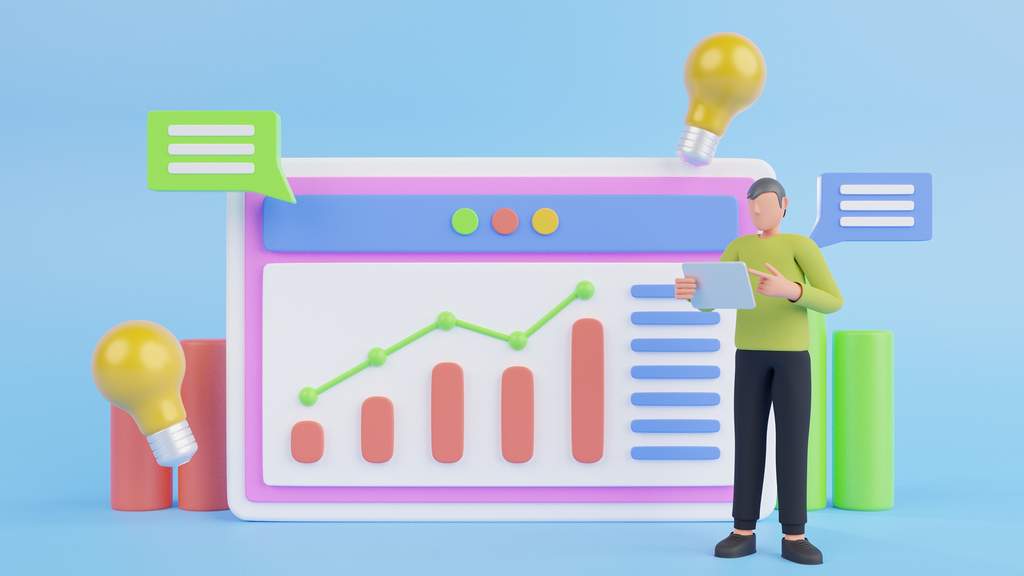
- Create a marketing performance dashboard: Track campaign spending, qualified leads, conversion rates, customer acquisition costs, sales revenue, and return on marketing investment in one place. Review these figures regularly to identify which activities contribute most effectively to business objectives.
- Connect marketing data with sales results: Use website analytics, advertising reports, and customer relationship management data to follow leads from their first interaction to their final purchase. This helps identify the campaigns that generate valuable customers rather than simply attracting attention.
These two steps provide a practical foundation for more informed marketing decisions. As the business grows, its measurement systems can become more sophisticated without losing sight of the primary objective: generating sustainable business results.
The Role of AI and Automation in Marketing Performance
Artificial intelligence and marketing automation are making it easier for businesses to analyse performance, manage customer interactions, and identify opportunities for improvement. These technologies can help marketers process large amounts of data, segment audiences, personalise communication, and automate repetitive tasks.
For example, automated reporting can bring campaign performance information together, reducing the time spent preparing manual reports. Customer relationship management automation can assign leads to sales representatives, trigger follow-up reminders, and record customer interactions. AI-powered analysis can also help identify patterns in campaign performance and suggest areas for further investigation.
However, automation alone does not guarantee business growth. Poorly defined objectives, inaccurate data, and ineffective marketing strategies can still produce disappointing results, even when sophisticated tools are involved.
Businesses should use AI and automation to support better decisions rather than replace strategic thinking. Human oversight remains important for understanding customer needs, evaluating recommendations, and ensuring that marketing activities align with broader commercial objectives.
When implemented thoughtfully, these technologies can improve efficiency and give marketing teams more time to focus on strategy, creativity, and customer experience.
Build a Long-Term Approach to Marketing Growth
Connecting marketing activity with business growth is not a one-time exercise. Customer behaviour, competition, advertising costs, and market conditions change over time. Businesses must continuously evaluate whether their marketing strategies remain effective.
A sustainable approach involves setting measurable goals, reviewing performance regularly, improving conversion processes, and investing in activities that create long-term value. It also requires patience because certain marketing channels, including search engine optimisation and content marketing, may take time to generate meaningful results.
Businesses should avoid making major decisions based on isolated performance changes. Instead, they should examine trends, compare results over appropriate periods, and consider external factors that may influence sales.
Customer retention deserves equal attention. Acquiring new customers can be expensive, while satisfied existing customers may generate repeat purchases, referrals, and stronger long-term revenue. Email marketing, personalised offers, helpful customer support, and loyalty initiatives can help strengthen these relationships.
Ultimately, business growth comes from combining effective marketing with a strong product or service, a positive customer experience, and a clear understanding of profitability. Marketing performs best when it supports these elements as part of a coordinated business strategy.
Conclusion
Connecting marketing activity with actual business growth requires a shift from measuring activity to measuring meaningful outcomes. Website traffic, social media engagement, advertising clicks, and lead volume can provide useful insights, but businesses must understand how these activities influence conversions, revenue, profitability, and customer retention.
By setting clear objectives, tracking the customer journey, aligning marketing and sales teams, and using reliable data to improve decisions, businesses can make their marketing investments more effective. AI and automation can further support this process by improving reporting, streamlining workflows, and helping teams identify opportunities.
For businesses looking to achieve measurable results, Adsyzygy focuses on connecting performance-driven marketing strategies with real business objectives. By prioritising relevant audiences, campaign optimisation, transparent reporting, and revenue-focused decisions, Adsyzygy helps businesses move beyond vanity metrics and work towards sustainable growth. The ultimate goal is not simply to do more marketing, but to make every marketing activity contribute meaningfully to business success.
Leave a Comment