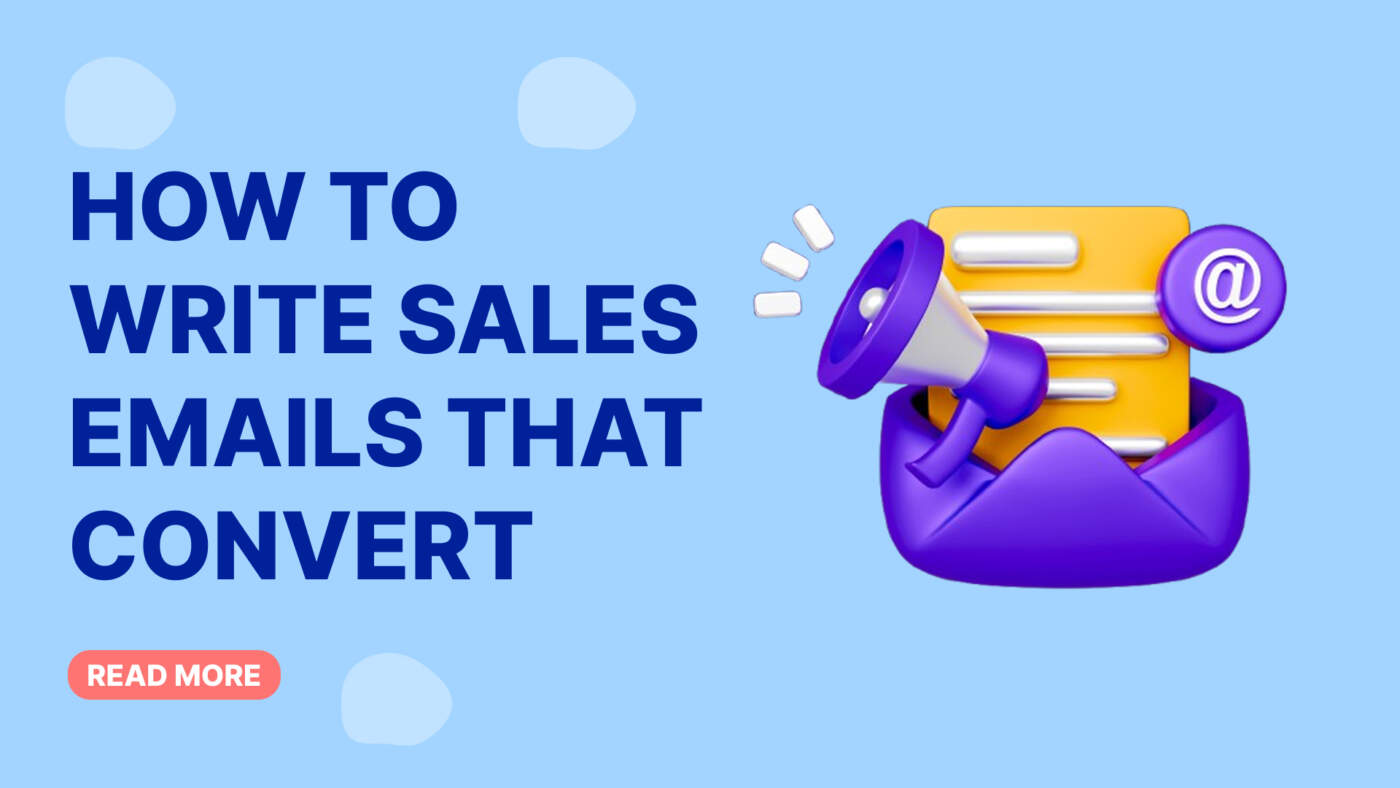

Let’s be honest—most sales emails don’t work. They either sound too pushy, too generic, or simply fail to grab attention. In a world where inboxes are flooded every day, writing an email that actually gets opened and drives action is both an art and a skill.
The good news? You don’t need complicated formulas or aggressive tactics. What you really need is a better understanding of your audience and a more human approach to communication.
Sales emails that convert are not about “selling harder”—they’re about connecting smarter.
Craft a Subject Line That Sparks Curiosity
Before anything else, your email needs to be opened. And that depends heavily on your subject line.
Think of it as a headline—it should be simple, relevant, and intriguing enough to make someone pause. Avoid exaggerated claims or spammy language. Instead, focus on clarity and curiosity.
A subject line that feels natural and specific tends to perform much better than one that feels like a promotion. The goal is to sound like a real person, not a marketing machine.
Start with Relevance, Not a Pitch
The opening line of your email determines whether the reader continues or exits. And one of the quickest ways to lose attention is by making it all about your company.
Instead, start with something that reflects the reader’s situation. Show that you understand their challenges, goals, or context.
When your email begins with relevance, it instantly feels more personal and less like a mass message. This builds trust right from the start.
Offer Value Before Asking for Anything
People are more likely to engage when they feel they’re gaining something—not being sold to.
So before you make a request, give them a reason to care. This could be a quick insight, a useful suggestion, or a fresh perspective related to their work.
Here are two simple ways to add value early in your email:
- Point out an opportunity or gap they might not have noticed
- Share a quick tip they can apply immediately
This approach makes your email feel helpful instead of transactional, which increases the chances of a response.
Write Like a Human, Not a Script
One of the biggest differences between emails that convert and those that don’t is tone.
If your email sounds robotic, overly formal, or filled with jargon, it creates distance. On the other hand, a conversational tone makes your message feel approachable and genuine.
Keep your sentences short and your language simple. Write the way you would speak in a professional but friendly conversation.
Also, structure matters. Break your content into small paragraphs so it’s easy to read, especially on mobile devices.
Use Personalization the Right Way
Personalization goes far beyond adding a first name. It’s about making the email feel relevant to that specific person.
Mention something about their business, their role, or even recent activity if possible. These small details show effort and make your message stand out from generic outreach.
When done right, personalization creates the feeling that the email was written just for them—and that’s a powerful advantage.
Keep Your Message Clear and Focused
A common mistake in sales emails is trying to say too much. When your message becomes cluttered, it loses impact.
Stick to one core idea. Be clear about what you’re offering and why it matters to the reader. Simplicity improves understanding, and understanding leads to action.
If your reader has to think too hard, they’re more likely to ignore the email altogether.
Include a Simple and Direct Call-to-Action
Every effective sales email has a purpose. What do you want the reader to do next?
Whether it’s scheduling a call, replying to your email, or checking something out, your call-to-action should be clear and easy to follow.
Avoid being vague. Instead of saying “Let me know what you think,” try something more specific like:
“Would you be open to a quick 10-minute chat this week?”
A simple, low-pressure CTA tends to work best.
Don’t Underestimate Follow-Ups
Many conversions don’t happen on the first email—they happen after a follow-up.
People are busy, and your email might get overlooked even if it’s good. Following up politely keeps the conversation alive.
Just make sure your follow-ups add something new. A fresh insight, a different angle, or even a brief reminder can make a big difference.
Continuously Improve Your Approach
Writing sales emails is not a one-time task—it’s an ongoing process.
Pay attention to what works and what doesn’t. Test different subject lines, tones, and formats. Track responses and engagement levels.
Over time, these small improvements will lead to better performance and higher conversion rates.
Avoid These Common Pitfalls
Even small mistakes can reduce the effectiveness of your emails.
Being overly promotional is one of the biggest issues. When your email feels like a hard sell, it pushes people away. Another common problem is lack of clarity—if your message isn’t easy to understand, it won’t get a response.
Length can also be a factor. Long, dense emails often get ignored, while concise and focused ones perform better.
Always keep the reader’s perspective in mind. If it doesn’t feel useful to them, it won’t work.
Why Human Connection Matters Most
At the end of the day, people don’t respond to templates—they respond to authenticity.
Even in a digital space, human connection plays a huge role. When your email feels real, thoughtful, and relevant, it naturally stands out.
Instead of trying to sound perfect, focus on being clear and genuine. That’s what builds trust—and trust is what drives conversions.
Conclusion
Writing sales emails that convert is about more than just technique—it’s about mindset. When you shift your focus from selling to helping, your emails become more engaging, more natural, and far more effective.
By keeping your messaging clear, personal, and value-driven, you create emails that people actually want to read and respond to. Over time, these small improvements can lead to significant growth in your outreach results.
At adsyzygy, we understand the importance of meaningful communication in modern marketing. A well-written sales email isn’t just a message—it’s an opportunity to build relationships, create trust, and drive real business results.
Leave a Comment