

In today’s competitive business environment, simply having an online presence is no longer enough. Businesses need digital marketing strategies that generate measurable results, attract the right audience, and ultimately contribute to revenue growth. This is where digital marketing services that deliver real ROI become essential. Instead of focusing only on likes, followers, impressions, or website traffic, ROI-focused digital marketing connects marketing activities with actual business outcomes such as leads, sales, customer acquisition, and revenue.
Whether you run a small local business, an e-commerce store, a startup, or an established company, investing in the right digital marketing services can significantly improve your growth potential. However, the key is choosing strategies that are aligned with your business goals. A campaign may receive thousands of views, but if those views do not turn into customers, the campaign has limited business value. Effective digital marketing focuses on attracting people who are genuinely interested in what you offer and guiding them toward taking action.
What Does Real ROI Mean in Digital Marketing?
Return on investment, commonly known as ROI, measures how much value a business receives compared with the amount it spends on marketing. In simple terms, if you invest ₹50,000 in digital marketing and generate ₹2 lakh in attributable revenue, your marketing activity has created significant value.
However, ROI is not always limited to immediate sales. Depending on the business model, a successful campaign may generate qualified leads, phone calls, product enquiries, subscriptions, bookings, or repeat customers. These outcomes can eventually contribute to revenue.
The important difference between traditional marketing and ROI-focused digital marketing is measurability. Digital platforms allow businesses to monitor customer behavior, track conversions, identify high-performing campaigns, and understand where marketing budgets are being spent. This data makes it possible to improve campaigns continuously instead of relying entirely on assumptions.

Search Engine Optimization That Builds Long-Term Growth
Search Engine Optimization, or SEO, is one of the most valuable digital marketing services for businesses looking for sustainable ROI. SEO helps a website appear in search engine results when potential customers search for relevant products, services, or information.
For example, imagine someone searches for “best digital marketing agency” because they are ready to hire an agency. If your website appears prominently for that search and provides useful information, you have an opportunity to convert that visitor into a lead.
SEO is not simply about adding keywords to a website. Modern SEO involves creating useful content, improving website performance, optimizing pages, building authority, strengthening local visibility, and providing a better user experience. When these elements work together, businesses can attract organic traffic without paying for every individual click.
Although SEO may take time to produce significant results, its long-term potential makes it an important component of an ROI-driven marketing strategy. A well-optimized page can continue attracting relevant visitors months or even years after it has been published.
Pay-Per-Click Advertising for Faster Results
While SEO focuses on long-term visibility, Pay-Per-Click advertising can help businesses generate targeted traffic much faster. Platforms such as Google Ads allow businesses to display advertisements when users search for specific keywords or show relevant intent.
The advantage of PPC advertising is control. Businesses can determine their budget, audience, keywords, locations, ad messages, and landing pages. Campaign performance can then be measured through clicks, conversions, cost per lead, and revenue.
However, simply running advertisements does not guarantee ROI. Poor keyword selection, weak ad copy, irrelevant landing pages, and improper targeting can quickly consume a marketing budget. Successful PPC campaigns require continuous testing and optimization.
Businesses should analyze which keywords and advertisements generate valuable conversions rather than focusing only on traffic. When campaigns are optimized around profitable actions, paid advertising can become a predictable customer acquisition channel.
Social Media Marketing That Goes Beyond Likes
Social media has become an important part of how businesses communicate with customers. Platforms such as Instagram, Facebook, LinkedIn, and other social networks provide opportunities to build awareness, create relationships, and generate leads.
However, social media marketing should not be measured only by follower growth or engagement. A business can have thousands of followers and still struggle to generate sales. Real ROI comes from connecting social media activity with meaningful business objectives.
Content should educate, entertain, solve problems, demonstrate expertise, and encourage potential customers to take the next step. Depending on the business, that next step could be visiting a website, sending a message, requesting a quotation, booking a consultation, or purchasing a product.
Paid social media advertising can further improve results by allowing businesses to target audiences based on interests, demographics, behaviors, location, and previous interactions. Retargeting can also bring back people who visited a website or engaged with previous content.
Content Marketing That Converts
Content marketing is another powerful service for businesses that want to build trust while generating long-term value. Customers rarely make purchasing decisions based only on advertisements. They often research a company, compare options, read reviews, and consume educational content before making a decision.
Blogs, guides, case studies, videos, social media content, landing pages, and email content can help answer customer questions throughout this journey.
Effective content marketing focuses on the audience rather than simply promoting the company. Instead of constantly saying “buy our service,” valuable content explains problems, provides solutions, compares options, and demonstrates expertise.
When content is optimized for search engines and created around real customer questions, it can attract organic traffic while supporting other marketing channels. A useful blog can bring visitors through search, educate them about a service, and eventually encourage them to contact the business.
Conversion Rate Optimization for Better Results
Driving traffic to a website is only one part of digital marketing. The next challenge is converting that traffic into leads or customers. This is where Conversion Rate Optimization, or CRO, becomes important.
A website may receive thousands of visitors but generate very few enquiries because the page is confusing, slow, difficult to navigate, or missing a clear call to action. CRO focuses on identifying these problems and improving the customer journey.
Changes can include improving headlines, simplifying forms, strengthening calls to action, adding trust signals, improving page speed, reorganizing information, and testing different landing page elements.
Even a small improvement in conversion rate can have a major impact on ROI. If a business already receives substantial traffic, increasing the percentage of visitors who convert can generate more leads without proportionally increasing advertising expenditure.
Email Marketing for Customer Retention
Acquiring a new customer can be more expensive than maintaining a relationship with an existing one. Email marketing helps businesses stay connected with customers and prospects after the initial interaction.
Businesses can use email campaigns for product updates, educational content, special offers, abandoned cart reminders, newsletters, follow-ups, and personalized recommendations.
The biggest advantage of email marketing is that businesses can communicate directly with an audience that has already shown interest. When messages are relevant and properly timed, email campaigns can encourage repeat purchases and improve customer lifetime value.
For e-commerce businesses especially, automated email sequences can play an important role in recovering abandoned carts and encouraging customers to return.
Local SEO for Location-Based Businesses
For businesses serving specific cities or regions, local SEO can deliver highly relevant traffic. When customers search for services “near me” or search for a specific service in their city, appearing prominently in local search results can create valuable opportunities.
Local SEO involves optimizing business information, website content, location pages, customer reviews, and other signals that help search engines understand where a business operates.
The benefit is intent. Someone searching for a service in a specific location may already be close to making a purchasing decision. Ranking in front of that audience can therefore generate highly qualified enquiries.
Performance Marketing and Data-Driven Decisions
Performance marketing brings multiple digital channels together with a strong focus on measurable outcomes. Instead of asking whether a campaign looks successful, businesses can ask more meaningful questions: How many leads were generated? What did each lead cost? Which channel generated the highest revenue? Which audience converted best?
Data helps marketers make better decisions about budgets and strategies.
Two important principles should guide an ROI-focused campaign:
- Track meaningful metrics: Focus on conversions, qualified leads, customer acquisition cost, revenue, return on ad spend, and customer lifetime value rather than vanity metrics alone.
- Optimize continuously: Test advertisements, audiences, landing pages, keywords, content, and offers regularly to identify what produces better results.
This approach allows businesses to move away from guesswork and make marketing decisions based on actual performance.
Why Choosing the Right Digital Marketing Partner Matters
Not every digital marketing agency follows the same approach. Some may focus heavily on generating content or increasing social media activity, while others concentrate on measurable business outcomes.
When choosing a digital marketing partner, businesses should look beyond promises of quick results. A good agency should understand the business model, target audience, competition, customer journey, and revenue objectives before developing a strategy.
Communication and reporting are equally important. Businesses should be able to understand where their marketing budget is going and what results are being generated. Regular reporting can reveal which strategies are working and where improvements are required.
An effective digital marketing partner should also understand that every business is different. A strategy that works for an e-commerce brand may not work for a B2B company or a local service provider. The right approach should be customized around the company’s goals.
How to Build an ROI-Focused Digital Marketing Strategy
Creating a profitable digital marketing strategy starts with clearly defining business objectives. Instead of setting a vague goal such as “increase online presence,” a business could aim to generate a specific number of qualified leads, increase online sales, reduce customer acquisition costs, or improve repeat purchases.
The next step is understanding the target audience. Knowing what customers search for, what problems they face, what influences their decisions, and where they spend time online makes marketing campaigns more relevant.
Businesses should then select channels based on customer behavior and business objectives. SEO may be ideal for long-term organic growth, PPC may be useful for immediate demand, social media may help build awareness, and email marketing may strengthen retention.
Finally, every campaign should be measured and improved. Digital marketing is not a one-time activity. Customer behavior, competitors, platforms, and market conditions continuously change, so strategies must evolve as well.
The Future of ROI-Driven Digital Marketing
Digital marketing is becoming increasingly data-driven. Artificial intelligence, automation, advanced analytics, personalization, and improved targeting are changing how businesses reach potential customers.
However, technology alone does not create ROI. A business still needs a strong offer, clear positioning, useful content, an effective customer experience, and a strategy that connects marketing activity with revenue.
The businesses that succeed will be those that combine technology with creativity and data with genuine customer understanding. Instead of chasing every new trend, brands should focus on marketing activities that consistently contribute to their business objectives.
Conclusion
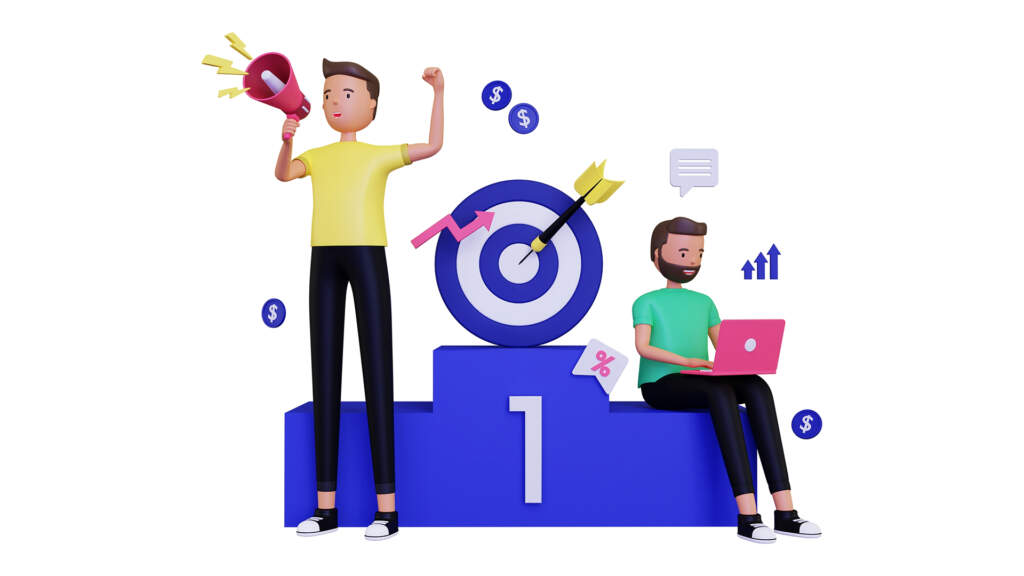
Digital marketing delivers real ROI when every activity has a clear purpose and can be connected to a meaningful business result. SEO can create long-term visibility, PPC can generate targeted traffic, social media can build relationships, content can establish trust, CRO can improve conversions, and email marketing can strengthen customer retention.
The goal is not to be present on every platform or collect impressive-looking numbers. The goal is to reach the right people, provide value, encourage action, and turn marketing investment into sustainable business growth.
For businesses looking for a results-focused approach, Adsyzygy can help create digital marketing strategies designed around measurable performance and real business outcomes. By combining strategy, creativity, data, and continuous optimization, the right digital marketing services can become more than a marketing expense—they can become a powerful engine for growth.
Leave a Comment